Take A Breath
Christina Andrea choreography presents a beautiful take on poetry in motion!
Christina Andrea choreography presents a beautiful take on poetry in motion!
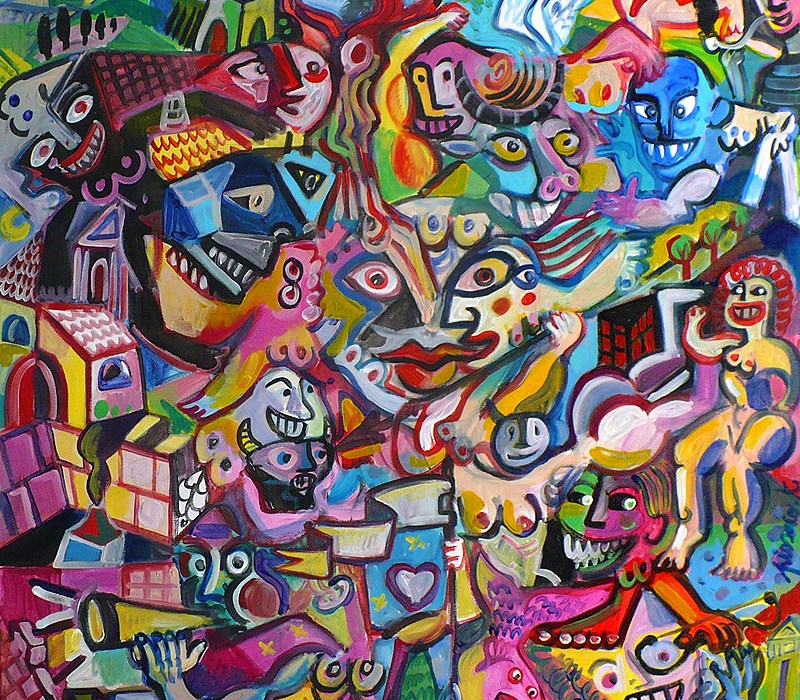
a poem
can hurt or hate, can feel abandon…and reckless
it can joke
and lie
and speak
and whisper all the things you want them to hear
a poem
can have secrets
when the soul is too heavy to carry them
it can live
in the bruised skin on your knuckles
and just beneath the ducts in your eyes
can hold you
feed you
miss your voice as its reading
it can be
a listening friend when everyone else
ignores the screaming

Deep in the Boogie Down—
	the bassinet of the boom bap
	where the trinity is The Treacherous Three,

English is the third language
	behind Bronx and Puerto Rican,
		and I was nervous

because I only speak Catholic school
	and I’m a Red Sox fan.

I’m just a student of KRS-1, not a son,

on a train fourteen stops beyond my comfort
	zone hiding behind headphones coughing
		bass, and a backpack full of lyrics:

Notorious B.I.G., Rakim, Perdomo,
Run DMC, Brooks, wanting to be real cool,

wanting to be their “dawg”—
	but feeling like a mailman,
		another Elvis

to the students I will lead
	through a workshop in a language

		I itch to get my rusted cavities around.
--Michael Cirelli

An adjectival all-staff meeting at the Indian
college: useless and mandatory. Later
we were forced to listen to a professional
storyteller titter her version of odd Odysseus
returning to the horny climes of Ithaca.
She mimed stringing the bow of Eurytus
but the wide-eyed skins were asleep
except for Verdell
who let a silent onion fart.
Last week I told my Freshman English class
that one-hundred years ago there was no
difference between the sentence
and the paragraph.
I can’t recall where I gleaned that tidbit
or whether or not it was apocryphal.
Then I could not remember
why paragraphs should be
hinged by transitions.
This fixation carried me through the meeting
and took me to the dusky indifference
of Pine Ridge, fair in the evening light.
Home from work I grilled greasy green hamburger
from Sioux Nation Shopping Center.
The glowing coals and mosquitos took me away
from the wannabees, squawmen, and white liberals
who pretend to save Indians by daylight
but vacate the reservation when wild
redskin night rolls in.
With my pot gut and can of Bud I stood
holding my stainless steel spatula
on my neatly trimmed lawn,
the only one in Pine Ridge.
The rest of my neighbors, less crazy,
fill their yards with the flotsam
of American advertising: used Pampers, dead cars,
punctured tires, and empty beer cans
until buzzards swarm like flies
and carry away their unwatched children.
Looking at the seared meat, once sacred
I had a fleeting vision of hope
that eluded grasp.
I was contemplating democracy
and the Chinese students in Peking
who had been failed by America
and how American Indians were Asiatic
yet we are a people beyond definition.
We are not a sentence or a paragraph
and we are definitely
not stanzaic.
Another day at the Indian college was done
and so were my burgers so I moved
them from the grill
and carried the grease lumps
to my oId lady who was looking grumpy,
slicing onions.
We lugged two K-Mart foldup chairs
into our Indian yard
and sat with our humble meal until I popped
the top on my fourth can of Bud.
Ain’t even dark, she chastised but her eyes
were moved by something tumbling
from a diseased elm along the chainlink
fence we put up to protect the thieves and winos
from our ball-biting dogs.
I saw that it was one of our retarded cats falling
from a tree in an abortive dive at a swallow.
I told her it was a small child
just dropped by a passing turkey buzzard.
The bird of prey’s talons had grasped the kid
by the temples, dropping him
brain-damaged back
onto Sioux Indian land.
This is your legacy, I said opening another beer
and she went inside without a word.
I threw my full beer at the cat
and concentrated on my burger.
I closed my eyes and dreamed of McDonald’s.
Yes, I closed my eyes
and dreamed of McDonald’s.
–Adrian C. Louis

if I could learn to love you less
the sky would open up and swallow me whole
if I could learn to love you less
i bet my success would be big enough to fill the gap of your leaving
if i could manage that
then why not bend the trees at my command
if there were less to love
they’d sing your praises from rooftops
if there were less to love
i could slide my attention to shifting through time
and finally
blot out that fusty sun
just a smidgen more heartless
and i could sour pickles at will
kill daffodils
the impossibly unknown would be in my control
i’d manifest solid homes for those without
or be the master of my own eudaimonia
in time, i could
then again
in time, i could also learn to
move the stars in the sky
teach them how to play a jazz tune
whenever the moon came around
if i could learn to love me more
i guess there’d be no point to this poem
because i would have everything
i ever needed

broken winged blackbird
I see your need to cry
your shudder in the dark
your plead to the open sun
blackbird you will fly again
you will not fall
your wings I will mend
because I heard your call
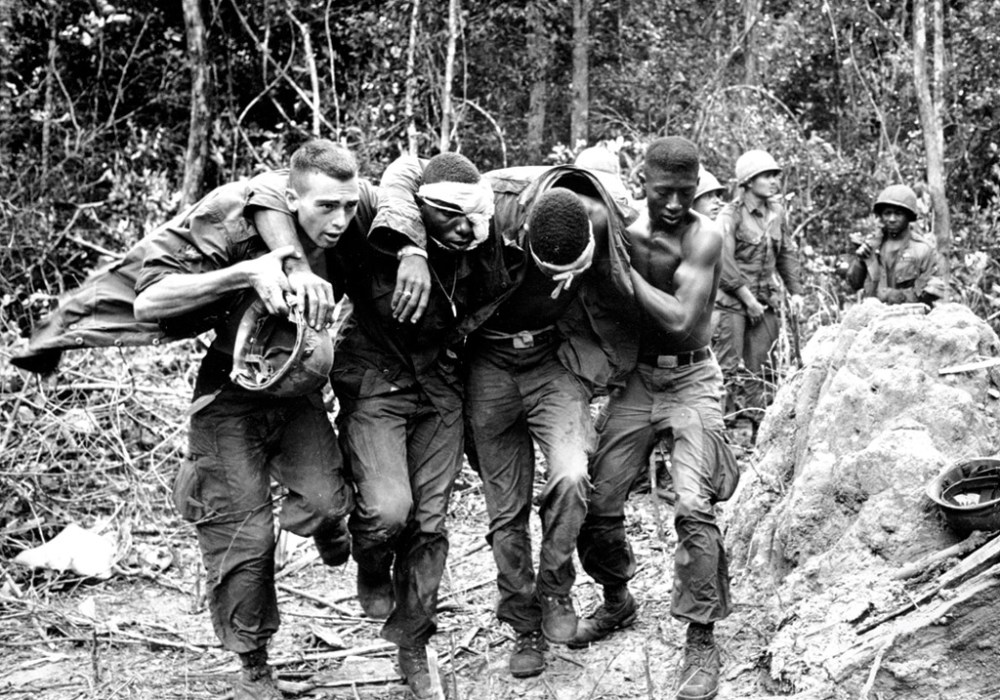
We who survived the war and took to wife
And sired the kids and made the decent living,
And piecemeal furnished forth the finished life
Not by grand theft so much as petty thieving–
Who had the routine middle-aged affair
And made our beds and had to lie in them
This way or that because the beds were there,
And turned our bile and choler in for phlegm–
Who saw grandparents, parents, to the vault
And wives and selves grow wrinkled, grey and fat
And children through their acne and revolt
And told the analyst about all that–
Are done with it. What is there to discuss?
There’s nothing left for us to say of us.
— Howard Nemerov
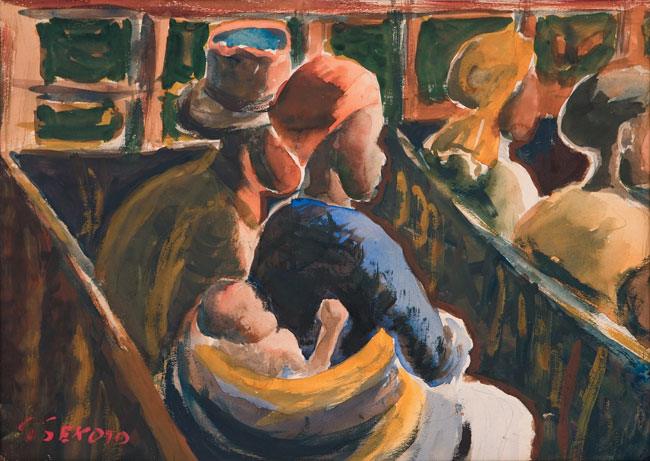
She lends her pen,
to thoughts of him,
that flow from it,
in her solitary.
For she is his poet,
and he is her poetry.
–Lang Leav
The autumn sun smiled softly across the gentle waves that lapped against the old wooden pier. The lighthouse threw a morning shadow as magpie’s note rang out from the swaying trees.
Dawn’s light poured through the dusty wooden blinds and washed over the white linen sheets that lay crumpled and kicked off the bed.
She lay naked, breathless and beautiful. Black hair tumbling across her pert breasts. ‘I love our house,’ she sighs.
He stares up at the powder blue ceiling, a little dreamy and wet. ‘I think this might be a good morning to make marshmallows,’ he replies.
–Michael Faudet

–Claude McKay
 The Poetry Corner